

Each week, members of our TruNeura Mastermind join live webinars with Dr. Kristine Burke, the TruNeura team, and expert guests for clinical training and practice-building support. It represents the next evolution of mentorship in functional medicine, designed to accelerate mastery and make complex cases manageable (read the story of how it started here).
Last week, we were joined by Dr. Aimie Apigian, physician and researcher, who brought forward a compelling lens on trauma: it’s not just psychological, it’s also profoundly biological.
Her message was clear: if we want to help our patients truly heal, functional medicine must begin to integrate trauma biology into practice.
Trauma as a Biological State
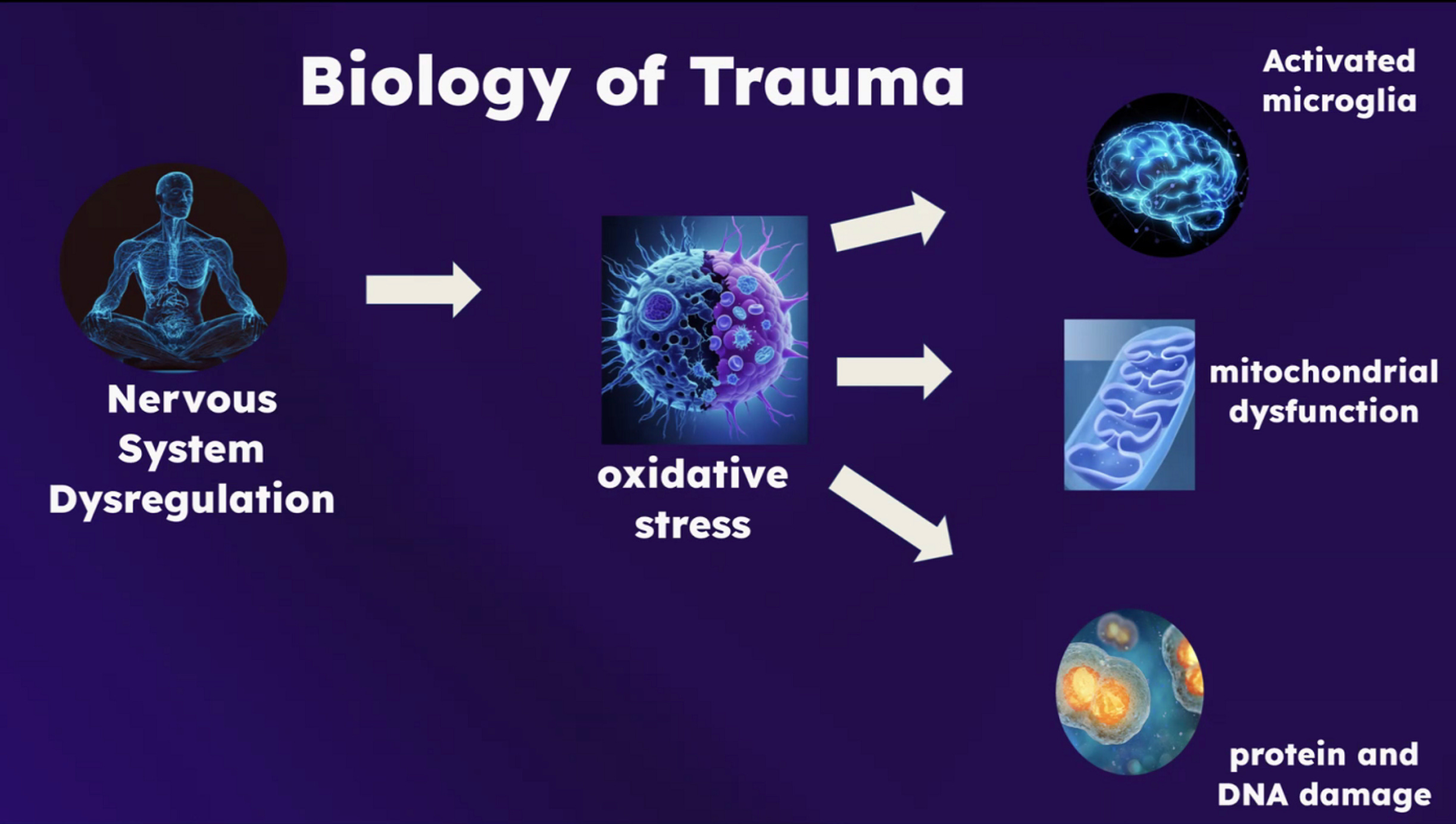
Dr. Apigian emphasized that trauma is not just a memory or emotion — it’s a biological imprint that reshapes the nervous system. Dysregulation in this system sets off a cascade of changes:
Persistent patterns of over- or under-reaction to stress
Rising oxidative stress that builds silently for years
Mitochondrial compromise and microglial activation in the brain
Downstream risks of cognitive decline and chronic illness
Understanding trauma this way helps us connect the dots between early life experiences and the clinical patterns we often see decades later.
Recognizing Hyper-Vigilance in Patients
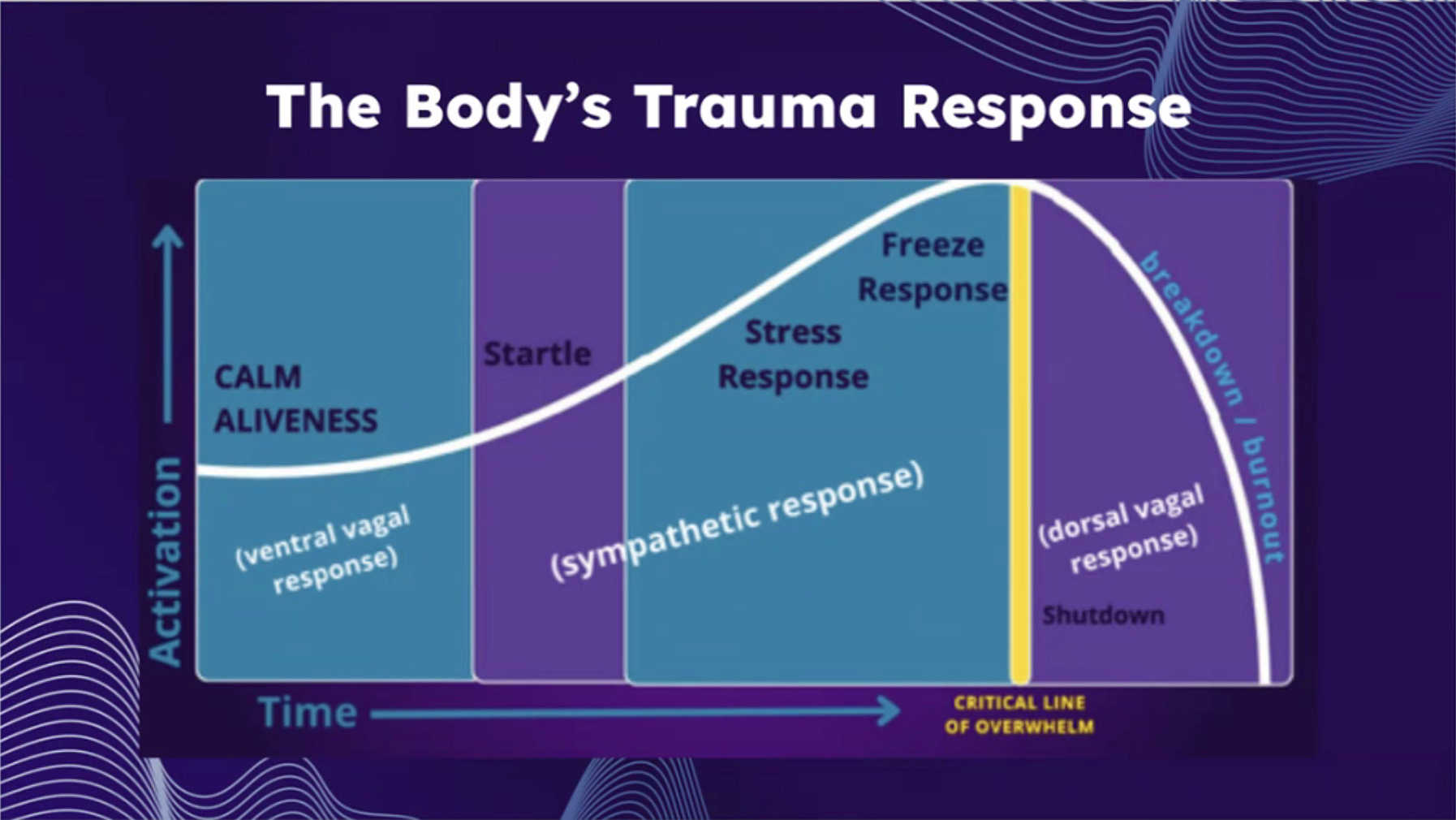
Many patients present in states of constant hyper-vigilance — biologically wired for survival. This state suppresses detoxification, disrupts digestion and repair, and makes it difficult for the body to benefit from even the most carefully designed protocols.
As practitioners, acknowledging and naming this pattern can be the first step toward helping patients shift out of it.
Expanding Cellular Capacity
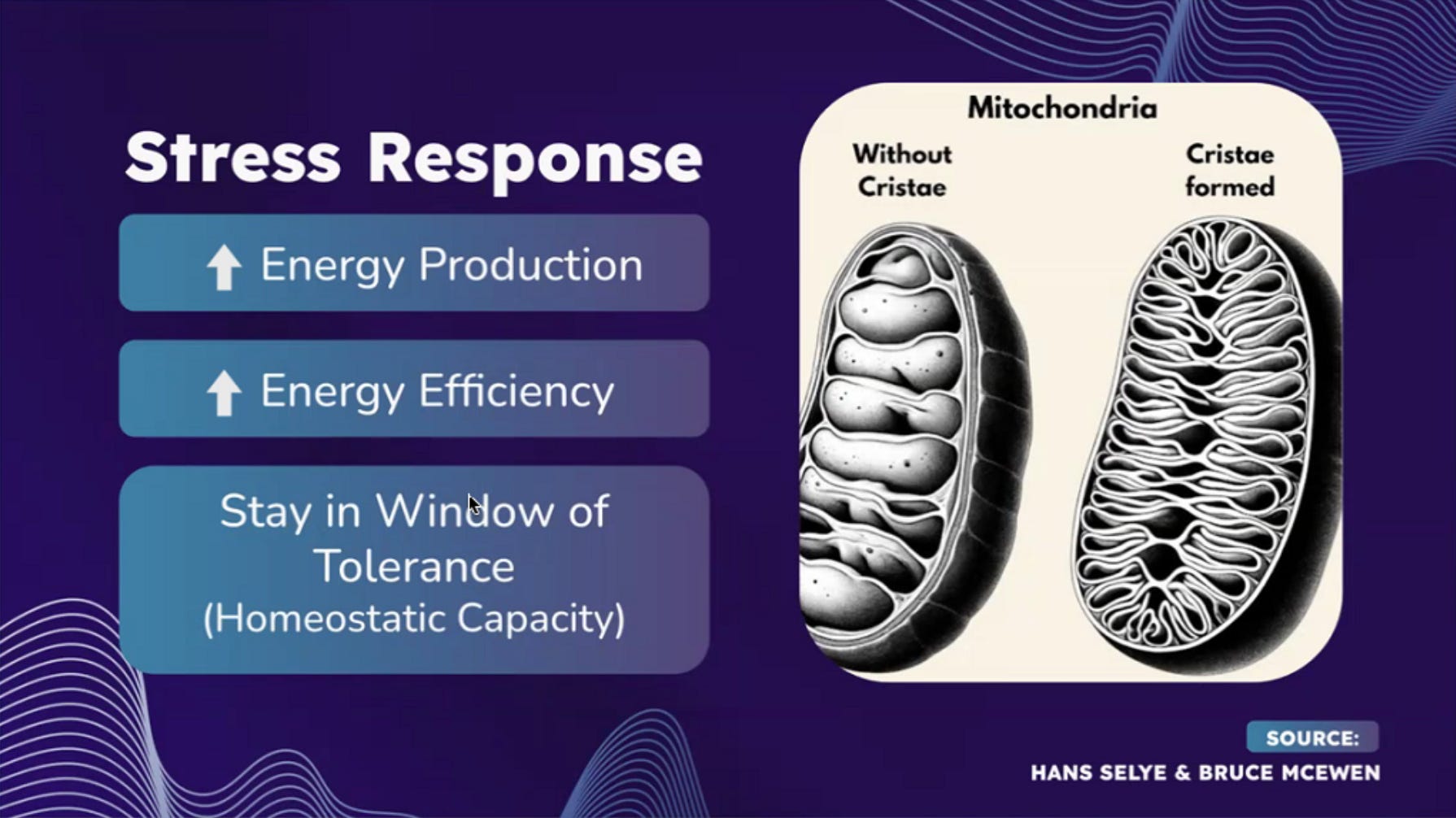
A core insight from Dr. Apigian: healing is less about “calming down” and more about building the body’s capacity to hold stress without shutting down.
Cells under too much demand enter the cell danger response, reducing energy production and amplifying inflammation. Helping patients restore mitochondrial health and gently train nervous system flexibility allows them to remain resilient, even in the face of stressors.
A Practical Tool for the Clinic
Dr. Apigian shared a somatic exercise practitioners can teach patients immediately:
Invite the patient to imagine a heavy boulder in front of them.
With hands up, slowly and deliberately push the “boulder” away.
Pause at full extension, notice the breath, and allow the body to reset.
Even simple interventions like this can help patients feel “safer” in their bodies, opening the door for deeper healing and making other therapies more effective.
Why It Matters for Functional Medicine
As functional medicine practitioners, we know the body is an interconnected system. Trauma biology is one more system — perhaps the most overlooked — that shapes everything from cognition to detoxification to immunity. By weaving trauma awareness into our practice, we give patients tools not just for symptom relief, but for sustainable transformation.
Book a demo to access the TruNeura Mastermind and join the conversations that are reshaping functional medicine.
#FunctionalMedicine #CognitiveDecline #TraumaInformedCare #PatientOutcomes #HealthcareInnovation
" ... healing is less about “calming down” and more about building the body’s capacity to hold stress without shutting down." Yes. FM insights keep coming.