

A cell can have the right nutrients available and still be vulnerable to damage. In this week’s TruNeura Mastermind, Sharlyne Poggio, MS, Principal Scientific Educator for Fatty15 presented emerging research on ferroptosis, an iron-dependent form of cell death linked to lipid peroxidation, and the potential role of pentadecanoic acid, or C15:0, in maintaining cell membrane integrity.
For clinicians working with complex cognitive decline, the session connected several areas of biochemistry: iron metabolism, oxidative stress, fatty acid composition and cellular resilience.
When iron and oxidative stress converge
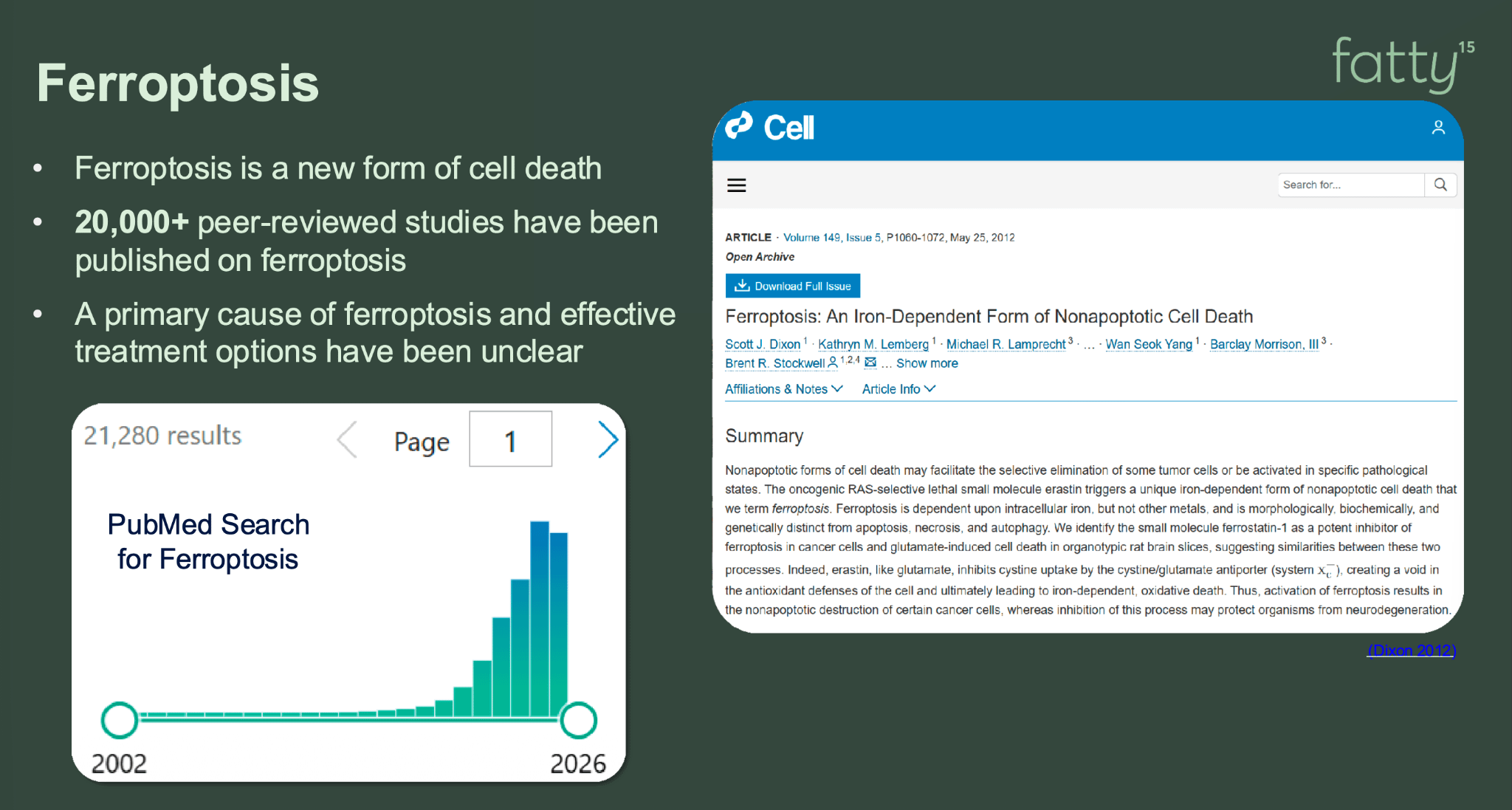
Ferroptosis was first described in 2012 and has since become an active area of research in age-related disease. The process involves iron-dependent cell death driven by lipid peroxidation with reactive oxygen species and polyunsaturated fatty acids contributing to the damage.
An overlooked fatty acid
C15:0 became the focus of the session because of its proposed role in membrane stability. This odd-chain saturated fatty acid is found in certain foods, particularly full-fat dairy, and differs structurally from omega-3 and omega-6 fatty acids.
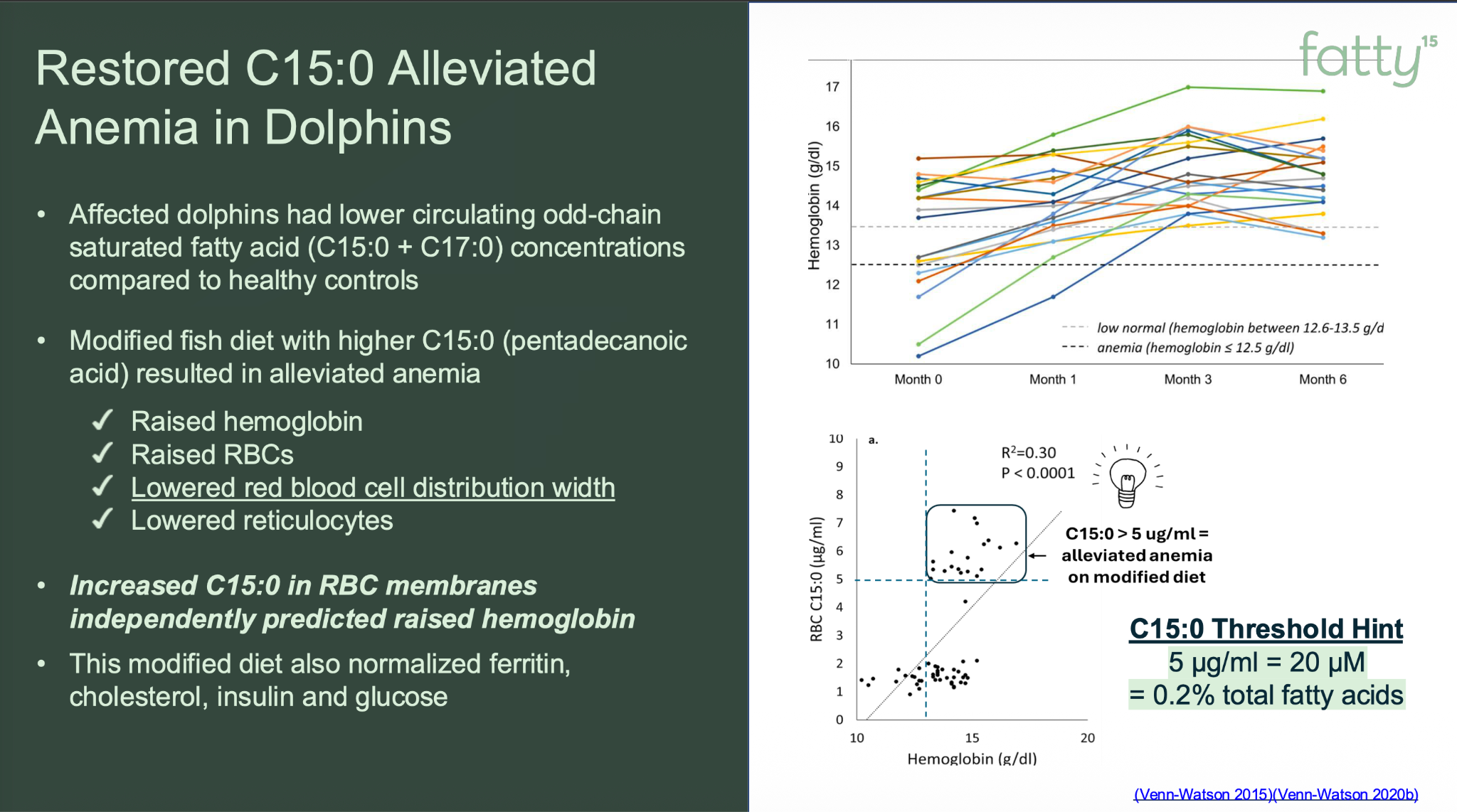
Sharlyne reviewed research associating low C15:0 levels with metabolic abnormalities and described studies in which increasing C15:0 was associated with improvements in several biomarkers. She also discussed a proposed threshold for deficiency and the possibility that inadequate levels could leave cells more vulnerable to lipid peroxidation.
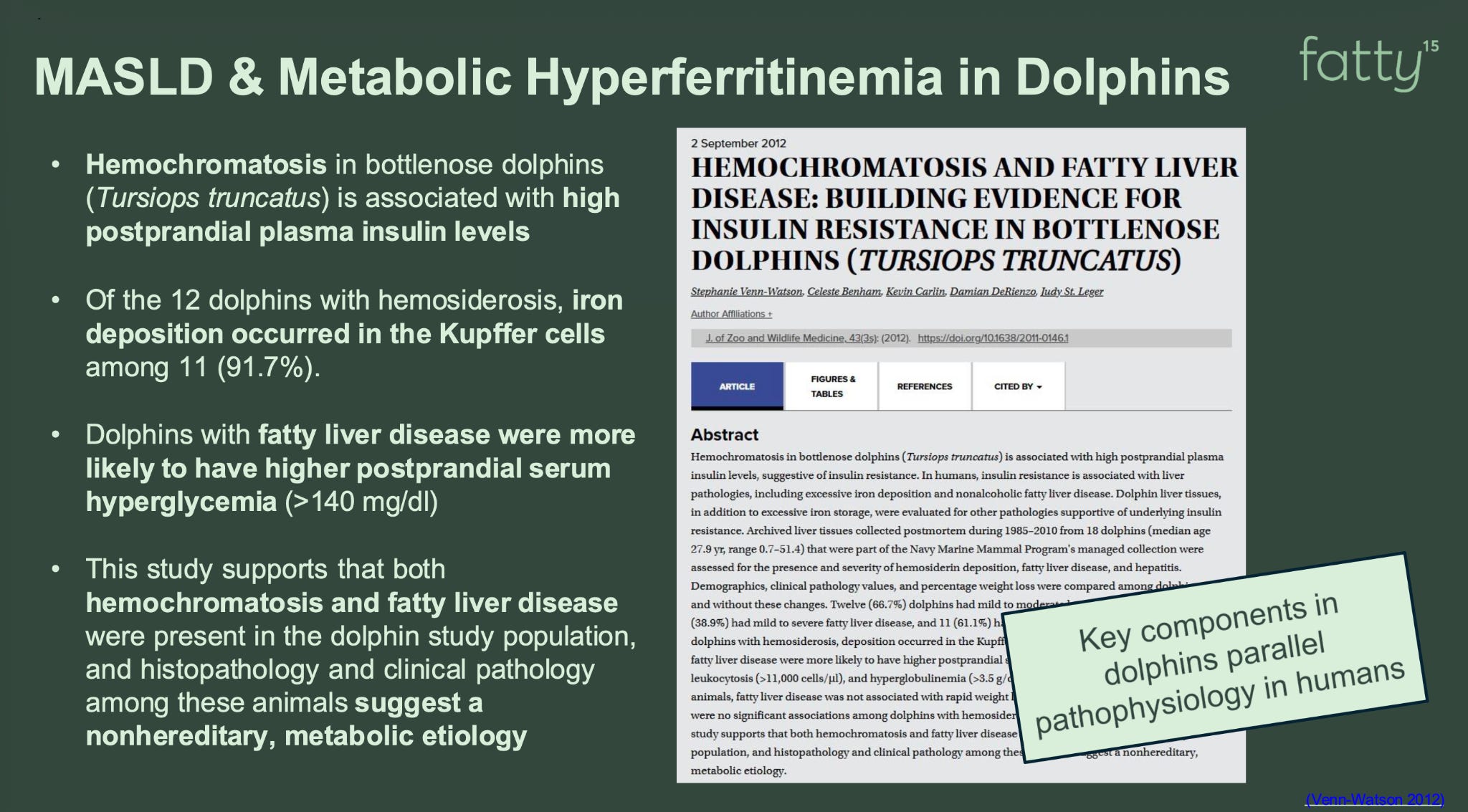
One of the most unexpected parts of the presentation traced this research back to aging dolphins receiving veterinary care. Researchers observed a cluster of metabolic abnormalities in some of the animals and found lower circulating levels of C15:0 and another odd-chain fatty acid. Follow-up dietary research helped establish a connection that has since prompted further investigation in animal models and human populations.
The findings are intriguing, but do not establish C15:0 deficiency as a cause of Alzheimer’s. However, they do offer another avenue for investigating the relationship between fatty acid status, iron metabolism and oxidative stress in patients with complex chronic conditions.
Laboratory assessment
Sharlyne outlined several markers that clinicians may consider when assessing this area of physiology, including elevated ferritin, changes in hemoglobin and red blood cell distribution width (RDW), and fluctuating liver enzymes. These findings are nonspecific and require interpretation alongside the patient’s history, other laboratory results and overall clinical presentation.
Kristine Burke, MD brought the discussion back to cognitive decline care, where clinicians may see patients make progress with lifestyle interventions and other treatments, yet continue to have unresolved issues.
Nutritional status, oxidative stress and membrane integrity offer additional areas for investigation. The group discussed how these mechanisms might intersect with patterns seen in patients with mold exposure, gut dysfunction and chronic inflammation. Some of these connections remain open questions to investigate further .
For clinicians, the practical question is how this emerging evidence fits with the rest of the patient’s data. A biomarker rarely tells the whole story on its own. Its clinical relevance depends on the wider pattern and whether the evidence supports acting on it.
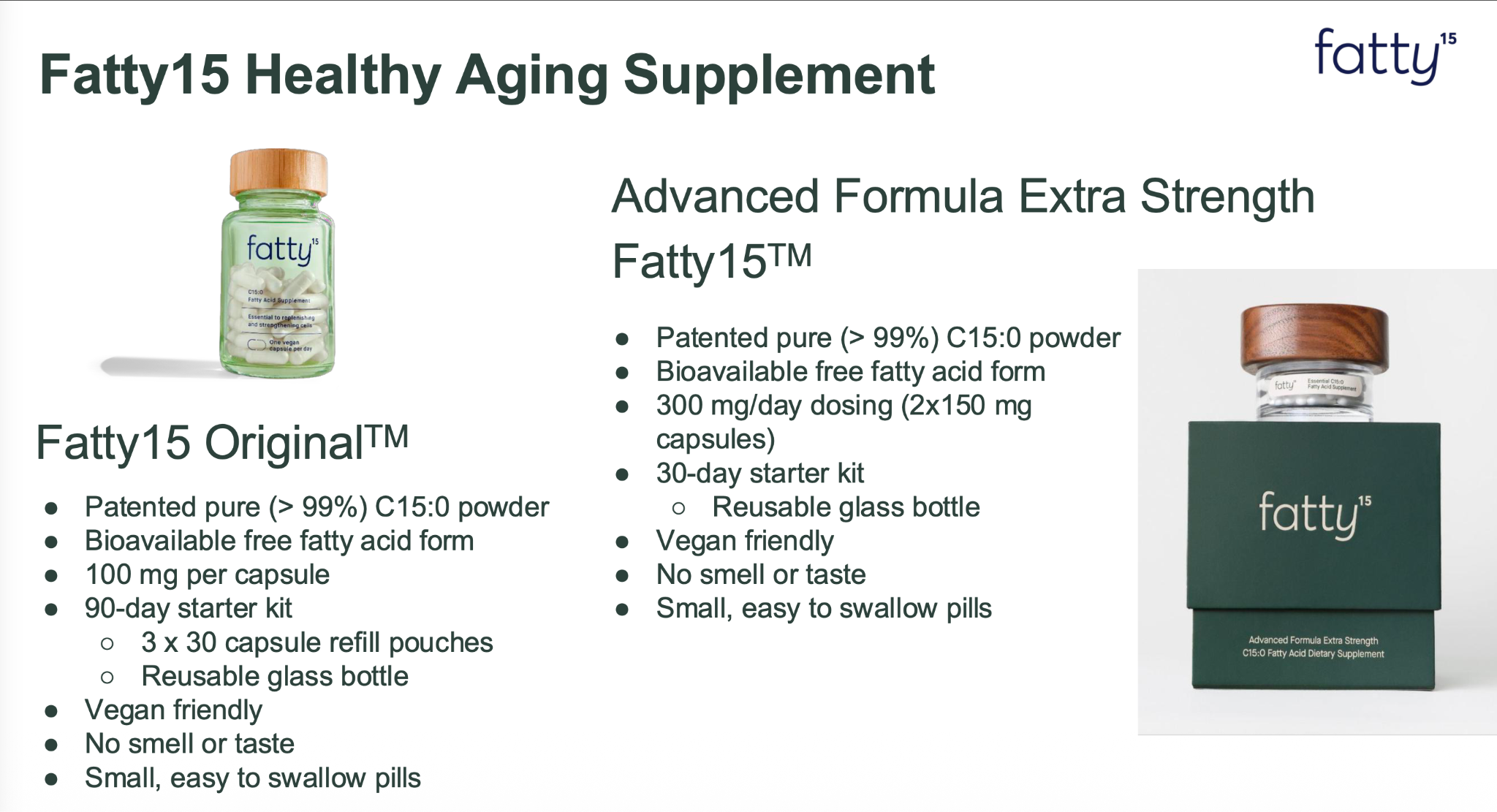
Adding another piece to the clinical picture
C15:0 is one part of a much larger investigation into cellular function and cognitive decline. The session gave clinicians an opportunity to examine the proposed mechanisms, review the emerging evidence and consider where this line of research may fit within a broader precision medicine approach.
This is a regular part of the work inside the TruNeura Mastermind: examining complex cases through multiple biological systems, discussing research with subject-matter experts and considering how new findings might inform clinical decisions.
Next week, the Mastermind examines laboratory testing used in the TruNeura Methodology with a closer look at the assessments clinicians use to investigate these overlapping mechanisms.
Interested in joining the TruNeura Mastermind? Book a call to learn more about the methodology and the clinical conversations supporting practitioners who work with cognitive decline.

